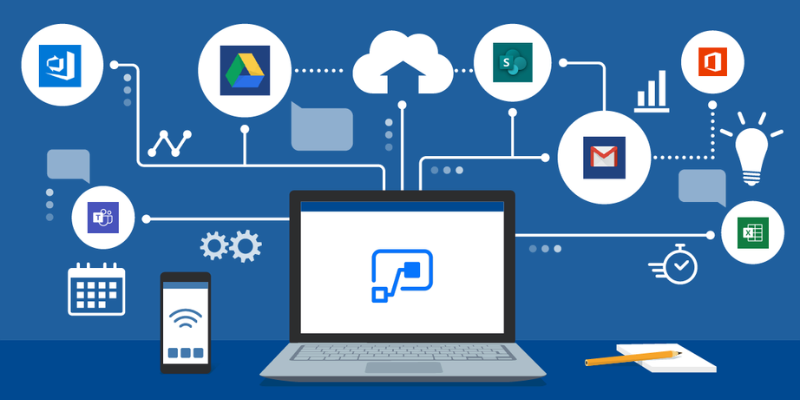
In the dynamic landscape of business processes, efficiency and automation have become paramount. Microsoft Power Automate, a key player in the realm of automation tools, empowers organizations to streamline workflows, eliminate manual tasks, and drive productivity. In this blog, we will explore the capabilities of Microsoft Power Automate and its relevance in the context of training programs such as RPA Training in Bangalore.
Unveiling Microsoft Power Automate
What is Microsoft Power Automate?
Users can automate workflows across several applications and services using Microsoft Power Automate, formerly known as Microsoft Flow. It is a cloud-based solution. Through its user-friendly interface, both technical and non-technical users can develop automated processes and effortlessly connect disparate systems.
Key Features
Integration with Microsoft 365: Power Automate seamlessly integrates with Microsoft 365 applications, such as SharePoint, Outlook, and Teams, allowing users to automate tasks within familiar environments.
Connectivity to External Services: Beyond Microsoft applications, Numerous third-party services, including databases, social media sites, and cloud services like AWS and Azure, can be integrated with Power Automate.
Robust Automation Capabilities: Power Automate offers a plethora of automation capabilities, including conditional logic, loops, and approvals, enabling the creation of sophisticated workflows tailored to specific business needs.
The Role of Microsoft Power Automate in Training Programs
As businesses increasingly adopt automation to enhance efficiency, Training courses are essential for providing people with the knowledge and abilities to properly use products such as Microsoft Power Automate.
Robotic Process Automation (RPA) is a key component of automation strategies, and Power Automate aligns seamlessly with RPA principles. Training programs in Bangalore focus on RPA skills, teaching participants to integrate Power Automate into their automation workflows for enhanced efficiency and productivity.
Power BI Training in Chennai, a powerful business analytics tool from Microsoft, is often integrated with Power Automate to create dynamic and interactive reports. Training programs in Chennai equip individuals with the expertise to harness the synergy between Power Automate and Power BI, enabling them to automate data-driven processes.
Use Cases and Applications
Microsoft Power Automate finds application across diverse scenarios, transforming manual processes into automated workflows. Here are some common use cases:
Approval Workflows
Power Automate simplifies and accelerates approval processes. From expense approvals to document reviews, users can design workflows that route requests through predefined channels, ensuring timely approvals and reducing bottlenecks.
Given that Microsoft Power Automate is part of the Microsoft Power Platform, training in Microsoft Azure complements Power Automate skills. Participants learn how to leverage Azure services in conjunction with Power Automate, creating end-to-end automation solutions. This integration is pivotal in achieving seamless automation within the Azure ecosystem.
Data Synchronization
In organizations where data resides in multiple systems, Power Automate enables seamless data synchronization. Whether updating customer information across databases or syncing files between platforms, Power Automate ensures data consistency and accuracy.
Notification Systems
Automated notification systems are a staple in modern workplaces. Power Automate allows users to set up notifications triggered by specific events, keeping teams informed and enhancing communication efficiency.
Social Media Automation
For companies using social media for interaction and marketing, Power Automate simplifies the process. Users can automate posts, track mentions, and analyze social media metrics without manual intervention.
How to Get Started with Microsoft Power Automate
Creating a Flow
Select a Trigger: Start by selecting a trigger that initiates the workflow. This could be an event like receiving an email, a new file in OneDrive, or a form submission.
Add Actions: Define the actions that follow the trigger. These actions can include sending emails, updating records, or posting messages to collaboration platforms.
Configure Conditions and Loops: Use conditional logic to create branching in the workflow based on specific conditions. Loops allow for repetitive tasks to be automated.
Testing and Deployment: Before deploying a flow, it’s crucial to test it thoroughly to ensure it functions as intended. After the flow has been verified, put it into regular use.
Integration with Other Tools
Power Automate’s strength lies in its ability to integrate with various applications and services. Integration is typically achieved through connectors, which act as bridges between Power Automate and external systems. Whether connecting to Power BI for analytics or integrating with SharePoint for document management, users can customize their workflows to meet specific requirements. Microsoft Azure Training in Bangalore can further enhance your capabilities by providing valuable insights into Azure’s cloud services and empowering you to create more robust and efficient workflows.
Future Trends in Power Automate
Like technology, Microsoft Power Automate is always changing. Future trends are likely to shape the capabilities and functionalities of this powerful automation tool.
AI-Powered Automation
The integration of artificial intelligence (AI) into Power Automate is a natural progression. AI-powered automation will enable more intelligent decision-making within workflows, allowing systems to adapt dynamically to changing conditions.
Enhanced Low-Code Capabilities
Microsoft Power Automate is known for its low-code approach, enabling users to create powerful workflows with minimal coding. Future trends will likely see enhancements in low-code capabilities, making automation even more accessible to non-technical users.
Increased Integration with Emerging Technologies
As emerging technologies like blockchain and Internet of Things (IoT) gain prominence, Power Automate is likely to offer increased integration capabilities. This will enable organizations to create end-to-end automation solutions that span across diverse technological landscapes.
Conclusion
In conclusion, Microsoft Power Automate stands as a versatile and powerful tool, transforming manual processes into efficient and automated workflows. Its seamless integration with other Microsoft services, external applications, and cloud computing platforms such as AWS and Azure make it an invaluable tool for businesses looking to boost efficiency.
Attending courses like AWS Training in Bangalore is essential to guaranteeing that people have the abilities required to fully utilise Microsoft Power Automate.. As we look to the future, the trends of AI-powered automation, enhanced low-code capabilities, and increased integration with emerging technologies position Power Automate as a cornerstone in the evolving landscape of business process automation.